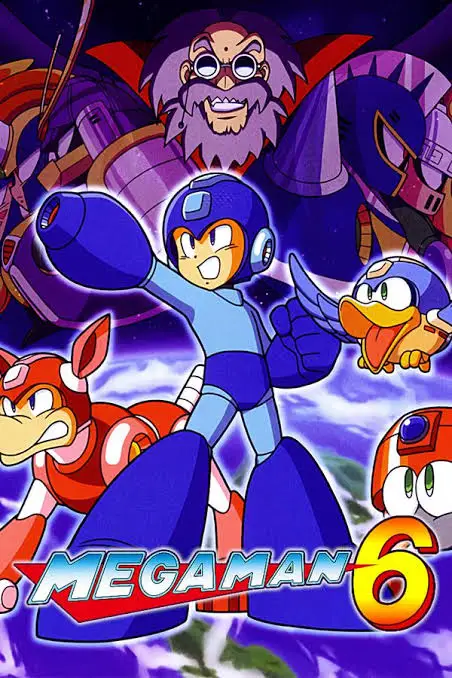
Mega Man 6
The grand 8-bit finale for the legendary Capcom franchise...

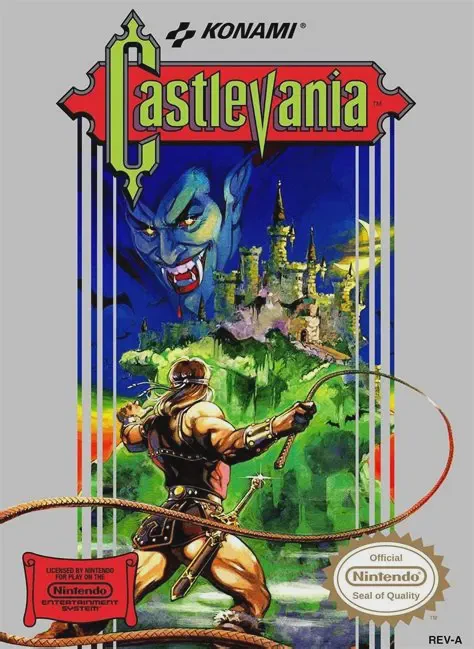
Castlevania (known in Japan as Akumajō Dracula, meaning “Demon Castle Dracula”) is the first entry in Konami’s long-running Castlevania series. It was released in Japan for the Famicom Disk System on September 26, 1986, then ported to cartridge format for the Nintendo Entertainment System in North America on May 1, 1987 (some sources list April 30), Europe in late 1988, and later as a Famicom cartridge in Japan in 1993.
Set in 1691, the story follows Simon Belmont, heir to a clan of vampire hunters. One hundred years after his ancestor defeated Dracula, the Count has returned. Simon enters the sprawling castle alone, determined to destroy him once more. The narrative draws heavy inspiration from classic Universal and Hammer horror films, featuring iconic monsters as stage bosses.
Gameplay is a pure 2D side-scrolling action-platformer. Players navigate six main blocks (each containing three stages, totaling 18 stages) in linear fashion. Simon’s primary weapon is the Vampire Killer whip, which starts short and weak but can be upgraded twice by collecting power-ups from candles: first to a Chain Whip (increased power) and then to a Morning Star (longer range). Secondary weapons—dagger, axe, holy water (fire bombs), cross (boomerang), and stopwatch—are found in candles or dropped by enemies and consume hearts as ammunition. Hearts are also collected from candles and defeated foes.
Controls emphasize precision: jumping has fixed height and momentum, the whip has a slight startup delay, and staircases require careful navigation. Enemies include zombies, skeletons, bats, medusa heads, fish-men, and more, many of which respawn. Each block ends with a boss fight against horror icons such as the Phantom Bat, Medusa, the Mummy, Frankenstein’s Monster & Igor, the Grim Reaper, and finally Count Dracula himself (who transforms into a second form). Defeating a boss yields a crystal that restores health and advances the game.
The game is single-player only and is known for its high difficulty, limited continues (with full level restarts on game over in most versions), and strict timer. The original Famicom Disk System version supported saving progress; cartridge versions removed this feature. The Japanese Famicom cartridge re-release added an Easy mode with more lives, hearts, reduced knockback, and other assistances.
Castlevania is celebrated for its atmospheric gothic visuals, tight level design that rewards pattern recognition and positioning, and an outstanding chiptune soundtrack composed by Kinuyo Yamashita and Satoe Terashima. Tracks such as “Vampire Killer” remain series classics. It helped define the “Castlevania-style” linear action-platformer and influenced countless later games, while establishing the Belmont lineage and recurring lore that the franchise continues to expand.
The original Japanese release was on the Famicom Disk System under the title Akumajō Dracula and included a save feature. The NES cartridge version (Castlevania) removed saving due to hardware limitations. The later Japanese Famicom cartridge re-release added an Easy mode with more lives, starting hearts, reduced damage/knockback, and other assists not present in the Western NES version.
There are six main blocks, each consisting of three stages, for a total of 18 stages. Each block ends with a boss fight.
Simon’s primary weapon is the Vampire Killer whip, which can be upgraded twice. Secondary weapons include the dagger, axe, holy water, cross (boomerang), and stopwatch. These require hearts as ammunition.
Yes. It is widely regarded as one of the more challenging NES platformers due to precise controls, enemy patterns, limited health, knockback, and a strict timer. Practice and pattern recognition are essential.
The original Famicom Disk System version supported saving progress (up to three slots). NES and later Famicom cartridge versions do not have battery-backed saves; players rely on continues.
The soundtrack was composed by Kinuyo Yamashita and Satoe Terashima. Iconic tracks like “Vampire Killer” became series staples.
No. The original Castlevania is strictly single-character: you only control Simon Belmont. Later entries in the series introduced additional playable characters.
Download directly from this site, or use a cloud drive link below
⚠️ Download Tips:
The grand 8-bit finale for the legendary Capcom franchise...
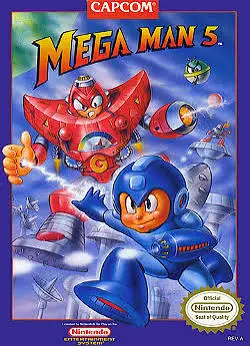
An action-packed chapter in 8-bit gaming, Mega Man 5: The...
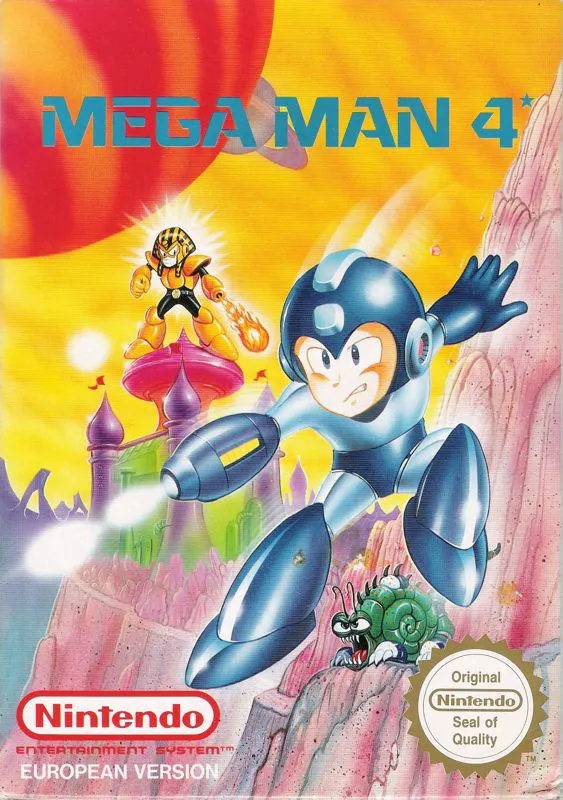
An action-packed chapter in 8-bit gaming history, Mega Ma...
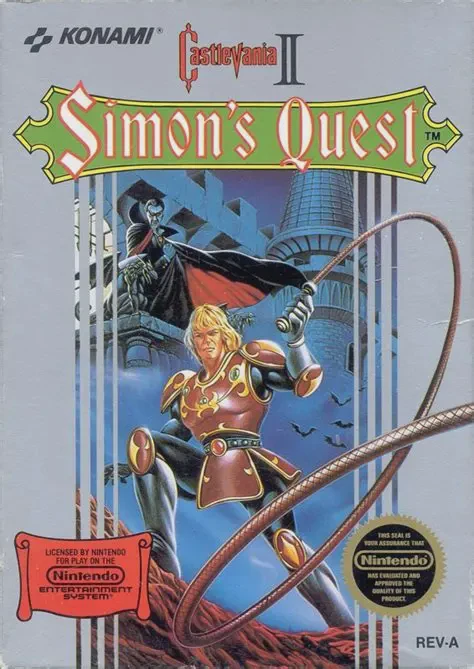
Castlevania II: Simon's Quest is a 1987 action-adventure ...
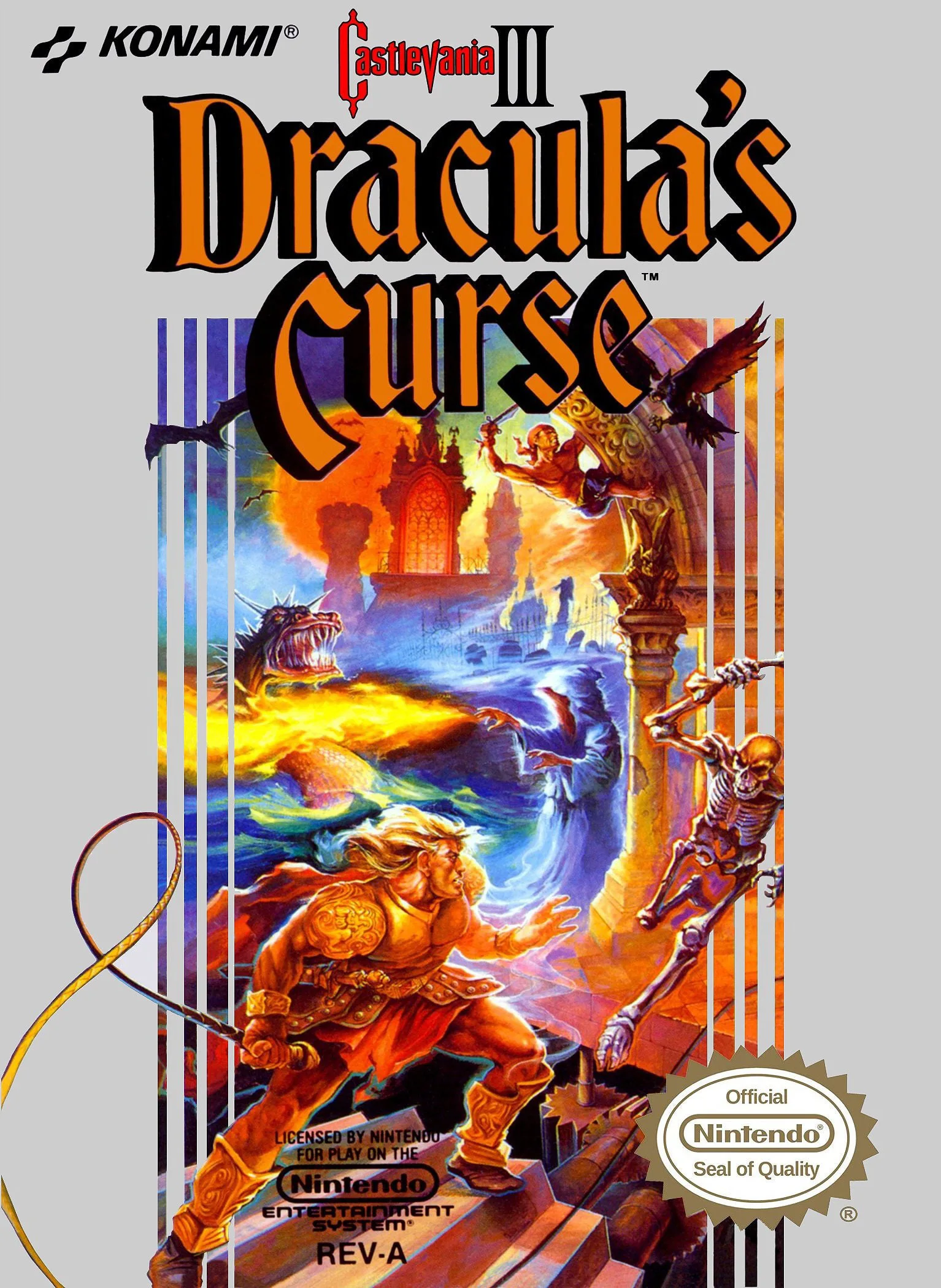
Castlevania III: Dracula's Curse is a 1989 side-scrolling...