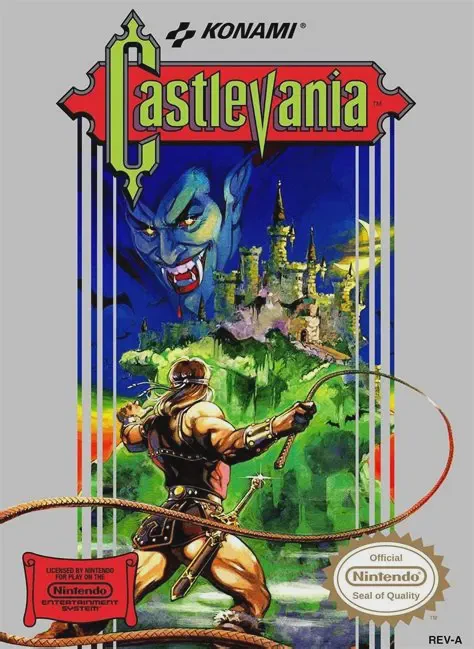
Castlevania
Castlevania is a classic 1986 side-scrolling platformer d...

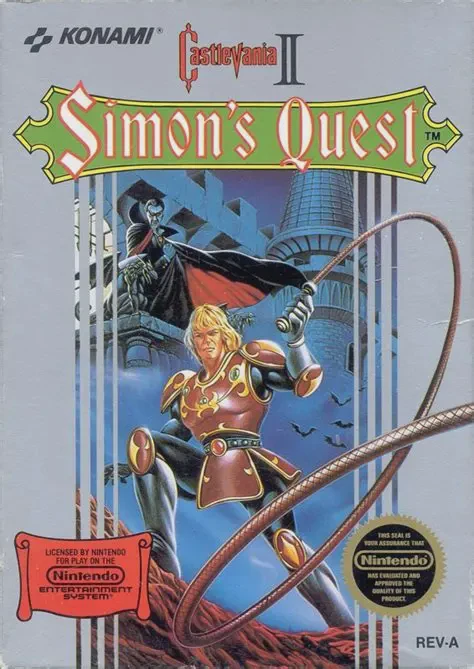
Castlevania II: Simon’s Quest (known in Japan as Dracula II: Noroi no Fūin, meaning “Dracula II: The Seal of the Curse”) was released for the Famicom Disk System on August 28, 1987, and later for the NES in North America on November 24, 1988 (some sources list December 1) and Europe in April 1990.
The story is set in 1698. After defeating Dracula in the first game, Simon Belmont was cursed by the vampire lord. The only way to lift the curse and save himself is to gather the five scattered body parts of Dracula (Nail, Heart, Rib, Eyeball, and Ring), bring them to the ruins of Dracula’s Castle, and defeat him once more. Simon travels the land of Transylvania, visiting towns such as Jova, Veros, Aljiba, and others, exploring five haunted mansions (Berkeley, Rover, Brahm’s, Bodley, and Laruba), and eventually confronting Dracula.
Gameplay shifts dramatically from the first game’s linear stages. The world is open and non-linear, allowing free exploration of interconnected areas including forests, swamps, towns, cemeteries, and mansions. A continuous day-night cycle runs in real time (time freezes indoors): daytime (6:00–17:59) lets players talk to villagers and shop, while nighttime (18:00–5:59) closes towns, fills them with stronger zombies, and makes outdoor enemies tougher but more rewarding in hearts and experience.
Simon retains the Vampire Killer whip, which can be upgraded by purchasing stronger versions in towns. Secondary weapons and items (holy water, dagger, axe, oak stake, garlic, crystals, etc.) are found or bought. Experience points are gained from defeating enemies; leveling increases maximum health and reduces damage taken. Password saves allow progress to be recorded.
The game is notorious for its cryptic clues (many villagers give misleading or incomplete advice) and hidden mechanics, such as using specific items on walls or cliffs. Completion time determines one of three endings: the best ending requires finishing in seven in-game days or fewer.
Though sometimes criticized for its opacity and translation issues, Simon’s Quest pioneered open-world exploration and RPG systems in the series and is an important early example of what later became known as Metroidvania design.
Time advances continuously while outdoors (roughly four in-game minutes per real second). Daytime runs from 6:00 to 17:59 and allows access to shops and villagers. Nighttime (18:00 to 5:59) closes towns, fills them with zombies, and makes enemies stronger but more rewarding. Time freezes inside buildings and mansions.
There are three endings determined by in-game days elapsed:
Many villagers deliberately give incomplete, misleading, or false advice. Key progress often requires using specific items on walls, cliffs, or bodies of water that are not clearly indicated. This design encourages experimentation and exploration.
The original Famicom Disk System version supported saving to the disk. The NES cartridge version uses a password system. Players can record a password at the Game Over screen or certain points to continue later.
Simon must find Dracula’s Nail, Heart, Rib, Eyeball, and Ring, each hidden in one of the five mansions. These are required to open the path to Dracula’s Castle and confront him.
Yes. Its non-linear world, item-based progression, backtracking, and exploration focus make it one of the earliest and most influential examples of the genre that later became known as Metroidvania.
Download directly from this site, or use a cloud drive link below
⚠️ Download Tips:
Castlevania is a classic 1986 side-scrolling platformer d...
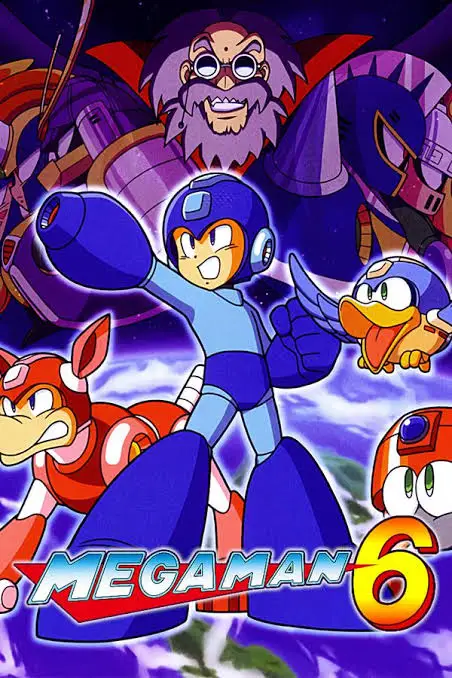
The grand 8-bit finale for the legendary Capcom franchise...
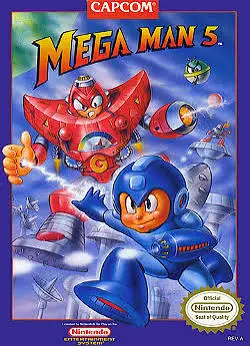
An action-packed chapter in 8-bit gaming, Mega Man 5: The...
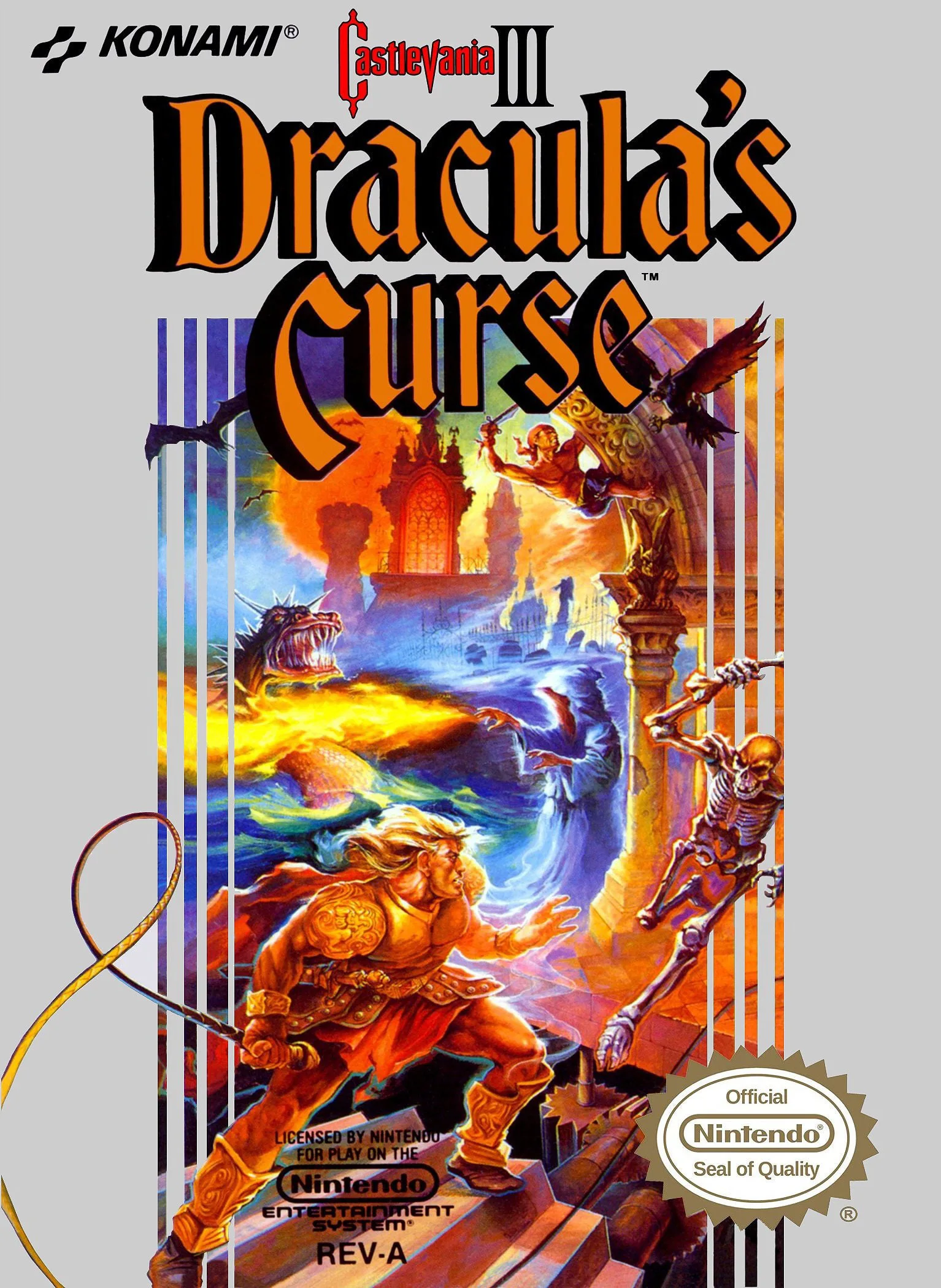
Castlevania III: Dracula's Curse is a 1989 side-scrolling...
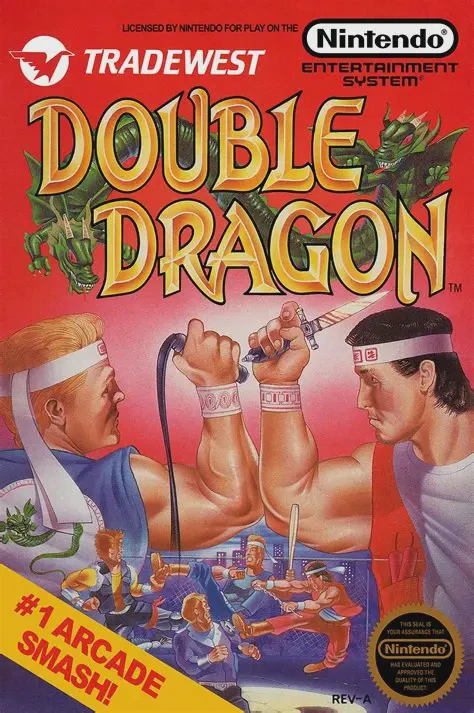
Double Dragon is a classic 1988 beat ’em up developed by ...