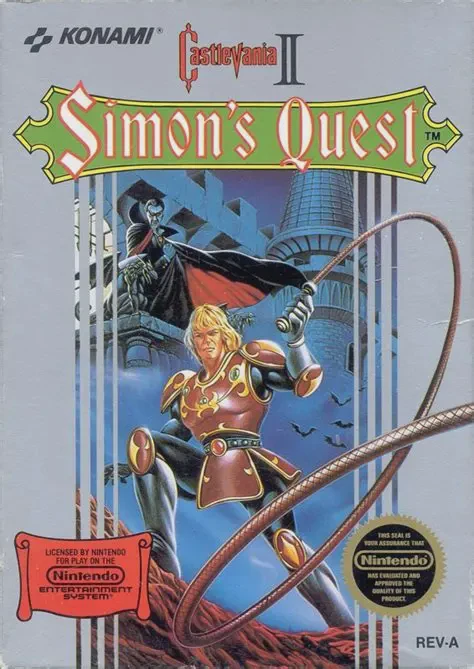
Castlevania II: Simon's Q...
Castlevania II: Simon's Quest is a 1987 action-adventure ...

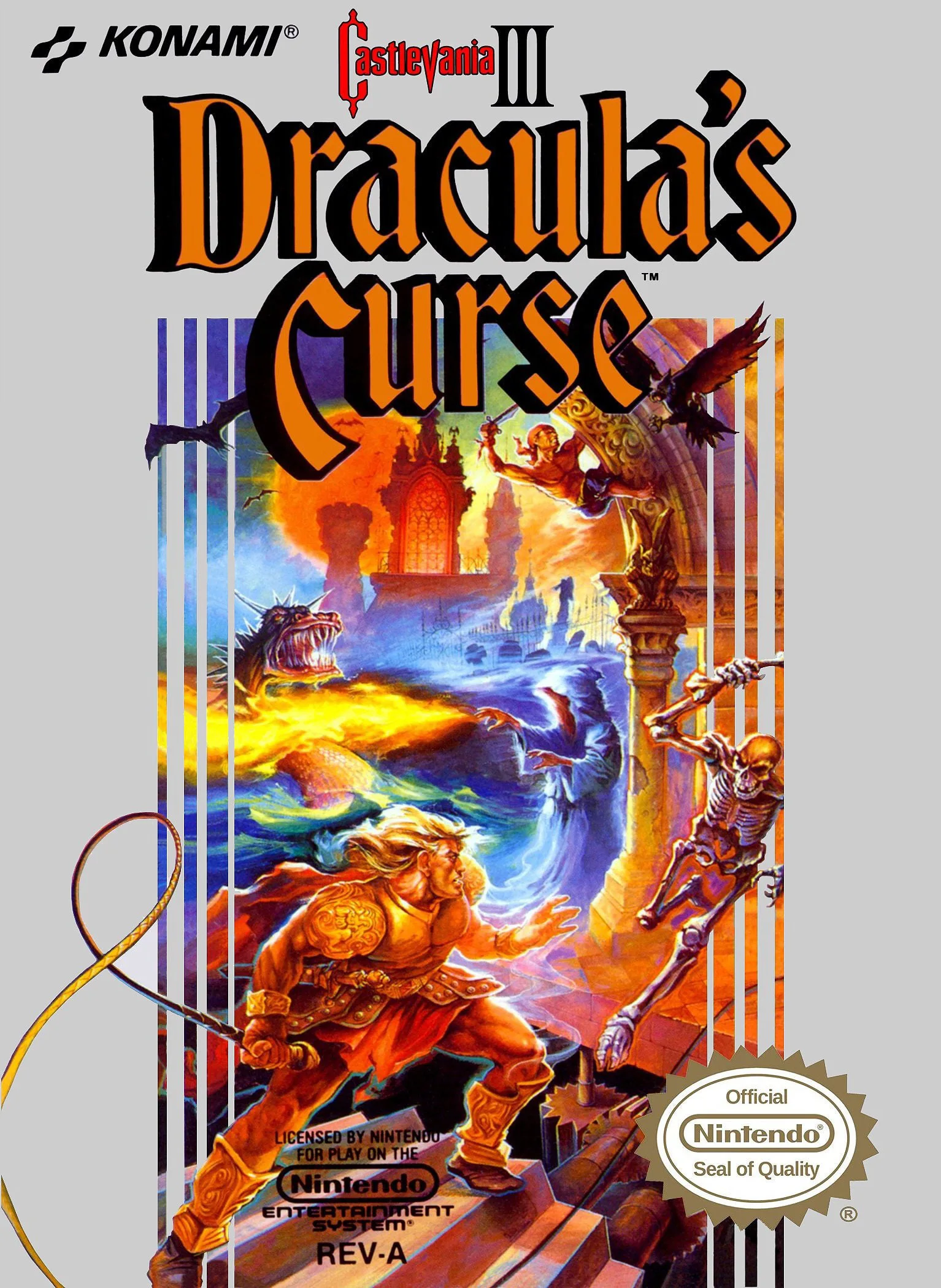
Castlevania III: Dracula’s Curse (known in Japan as Akumajō Densetsu, meaning “Legend of the Demon Castle”) was released for the Famicom on December 22, 1989, the NES in North America on September 19, 1990, and in Europe in May 1992 (published by Palcom).
The story takes place in 1476, more than 200 years before the events of the first Castlevania. Count Dracula has begun terrorizing Europe with a vast army of undead. The people of Wallachia, who once feared and exiled the Belmont clan, now call upon Trevor Belmont to stop the vampire lord. Trevor sets out alone with the legendary Vampire Killer whip but can recruit three allies along the way: the agile pirate Grant Danasty (who can climb walls and change direction mid-jump), the powerful sorceress Sypha Belnades (who wields elemental magic), and Alucard, Dracula’s own son (who can shoot fireballs and transform into a bat).
Gameplay closely mirrors the original Castlevania with precise platforming, whip combat, and secondary weapons, but expands significantly. After the first stage, players choose between different paths that alter the sequence and difficulty of levels. Only one companion can be active at a time; recruiting a new one causes the previous partner to leave. Switching between Trevor and the current companion is done with the Select button. Secondary weapons can be powered up for double or triple shots, and special items such as crucifixes act as screen-clearing smart bombs.
The game features multiple endings based on which partner (or none) accompanies Trevor to the final battle. A second, harder quest becomes available after the first clear. The Japanese Famicom version uses Konami’s VRC6 chip for richer audio with additional sound channels, while the Western NES version uses the MMC5 chip and has a slightly simplified soundtrack along with minor graphical and content differences due to localization standards.
Castlevania III is widely considered the pinnacle of the original NES trilogy for its refined controls, atmospheric levels, memorable music, branching paths, and character variety. It introduced several characters and concepts that became series mainstays.
Trevor can recruit one companion at a time after defeating certain bosses. Pressing Select switches control between Trevor and the partner. Accepting a new companion causes the previous one to leave. Each has distinct strengths: Grant is highly mobile, Sypha has powerful magic, and Alucard can fly as a bat and shoot fireballs.
Yes. After the first stage and at several later points, players choose between upper and lower routes. These choices affect which stages appear, overall difficulty, and which companions can be recruited. All paths eventually converge before the final castle stages.
There are four main endings based on the partner present at the end: Trevor alone, with Grant, with Sypha, or with Alucard. Each ending shows a different fate for the characters after Dracula’s defeat.
The Japanese Famicom version (Akumajō Densetsu) uses Konami’s VRC6 chip for superior audio with extra sound channels. The NES version uses the MMC5 chip, resulting in a slightly reduced soundtrack. There are also minor graphical changes, censorship of some enemy sprites, and differences in Grant’s attack (throwing knives in Japan versus a stabbing dagger in the West).
It is generally considered more challenging due to longer stages, tougher enemy placements, and the need to manage companions and path choices, though the refined controls and partner abilities can make certain sections easier depending on strategy.
In the standard game, companions are recruited during play. Certain name passwords (such as “HELP ME”) unlock cheats that allow starting with extra lives or partners, and a harder second quest becomes available after beating the game once.
Download directly from this site, or use a cloud drive link below
⚠️ Download Tips:
Castlevania II: Simon's Quest is a 1987 action-adventure ...
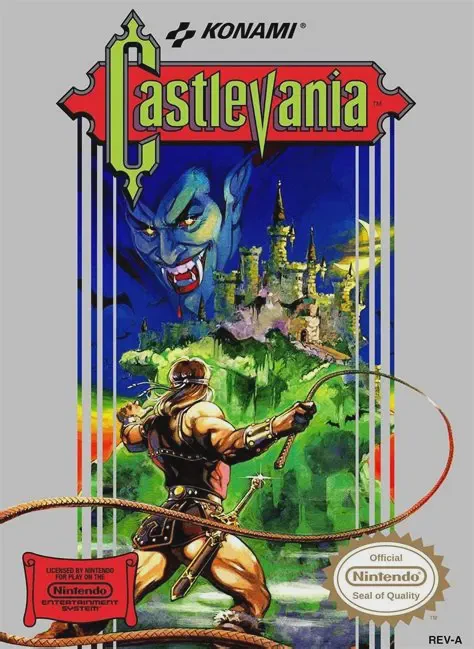
Castlevania is a classic 1986 side-scrolling platformer d...
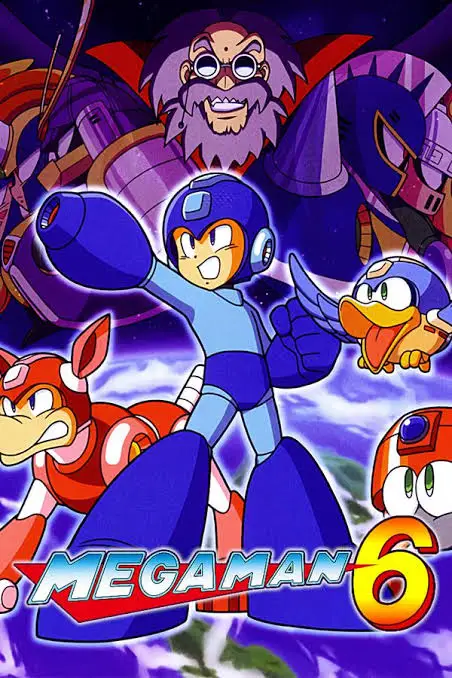
The grand 8-bit finale for the legendary Capcom franchise...
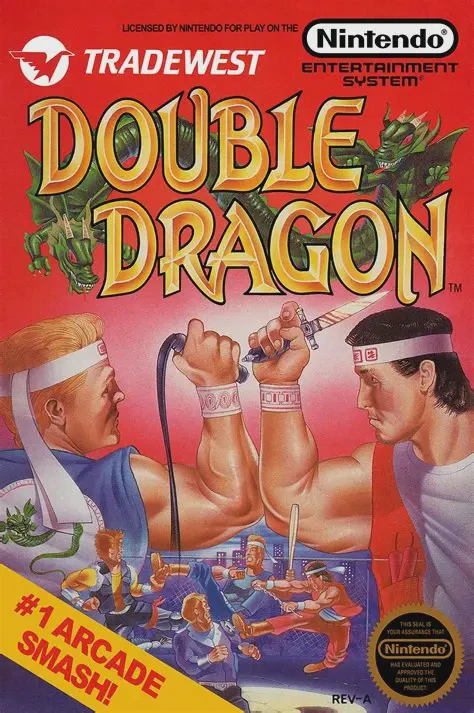
Double Dragon is a classic 1988 beat ’em up developed by ...
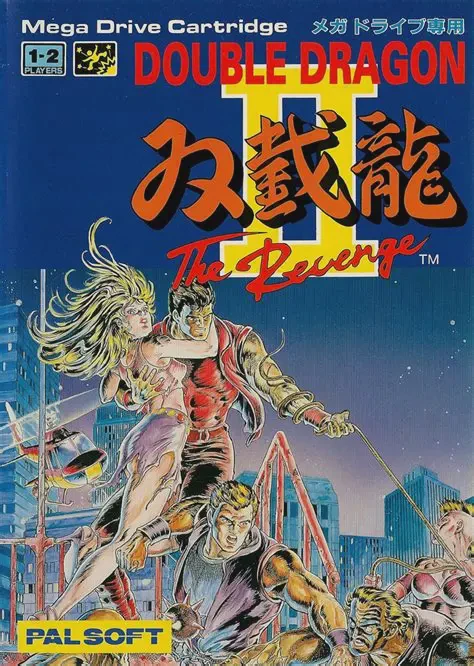
Billy and Jimmy Lee return in this classic NES beat ’em u...