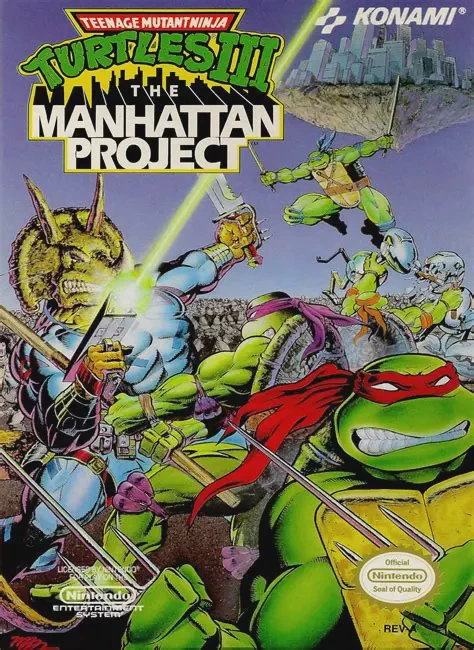
Teenage Mutant Ninja Turt...
Teenage Mutant Ninja Turtles III: The Manhattan Project i...

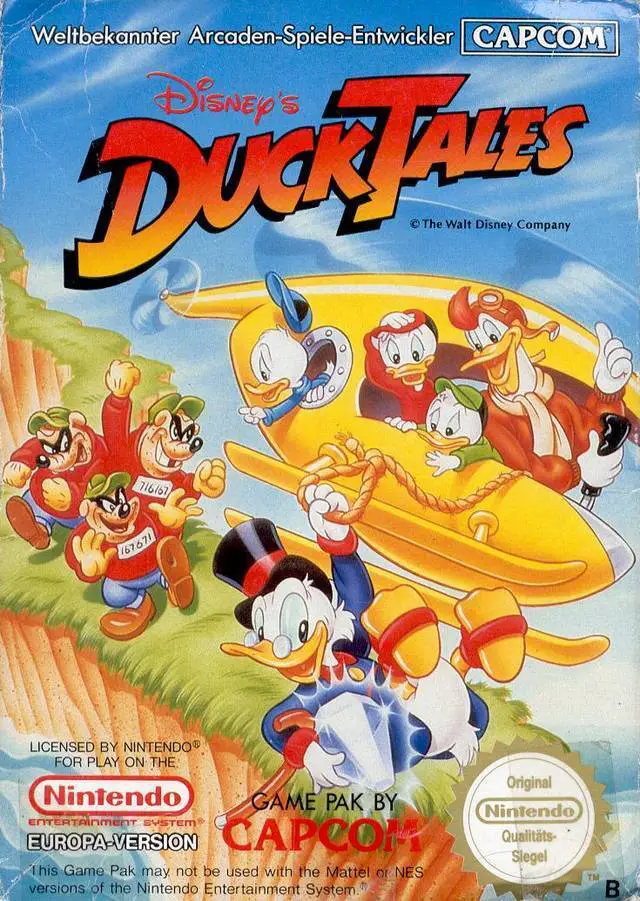
DuckTales (known in Japan as Wanpaku Duck Yume Bouken) is a side-scrolling platform game developed and published by Capcom for the Nintendo Entertainment System. Released in North America in September/October 1989, it was created by many of the same key staff who worked on the Mega Man series, including director Keiji Inafune.
Scrooge McDuck sets out to collect five priceless treasures hidden around the globe so he can outdo his rival Flintheart Glomgold and claim the title of richest duck in the world. Players can tackle the five stages—The Amazon, Transylvania, African Mines, The Himalayas, and The Moon—in any order. Scrooge’s primary tool is his cane, which can be swung to attack enemies or objects and, more importantly, used as a pogo stick by jumping and holding the attack button. The pogo jump allows him to bounce on enemies’ heads, cross spikes, and reach high platforms.
Along the way Scrooge encounters familiar characters such as Launchpad McQuack, Huey, Dewey, Louie, and Magica De Spell. Diamonds and other treasures increase his fortune, while hidden items and high remaining time bonuses help unlock better endings. With bright cartoon visuals, excellent music, and refined platforming, DuckTales remains one of Capcom’s most acclaimed NES titles and a high point of the Disney Afternoon licensing era.
Yes. After the opening, players can select any of the five stages (Amazon, Transylvania, African Mines, Himalayas, or Moon) in whatever order they prefer.
By jumping and then holding the attack button (B) while pressing Down, Scrooge turns his cane into a pogo stick. This is the primary way to defeat most enemies, cross hazardous ground, and reach high platforms.
Yes. The ending changes depending on how much money Scrooge has collected by the end of the game. Collecting enough treasure (and finding certain hidden items) unlocks the best ending.
It was developed by many of the same Capcom staff who worked on Mega Man (including Keiji Inafune), which is why the controls, level design philosophy, and overall polish feel similar.
Yes. DuckTales 2 was released for the NES in 1993, continuing Scrooge’s treasure-hunting adventures with refined mechanics and new stages.
Download directly from this site, or use a cloud drive link below
⚠️ Download Tips:
Teenage Mutant Ninja Turtles III: The Manhattan Project i...
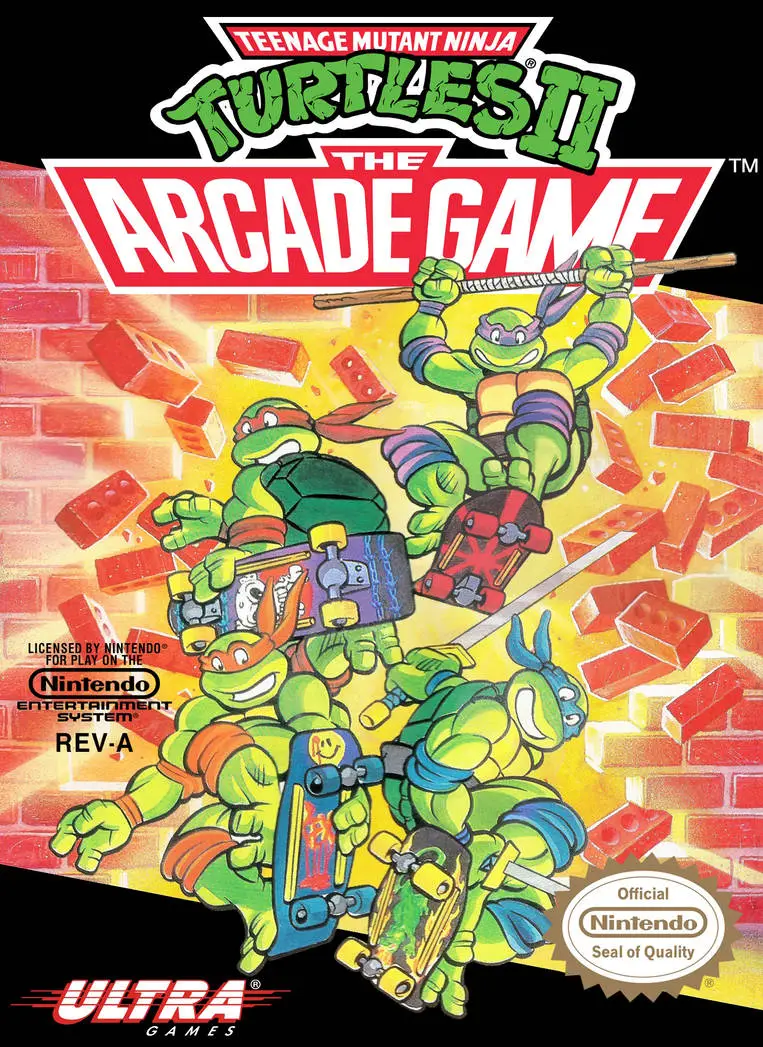
Teenage Mutant Ninja Turtles II: The Arcade Game is Konam...
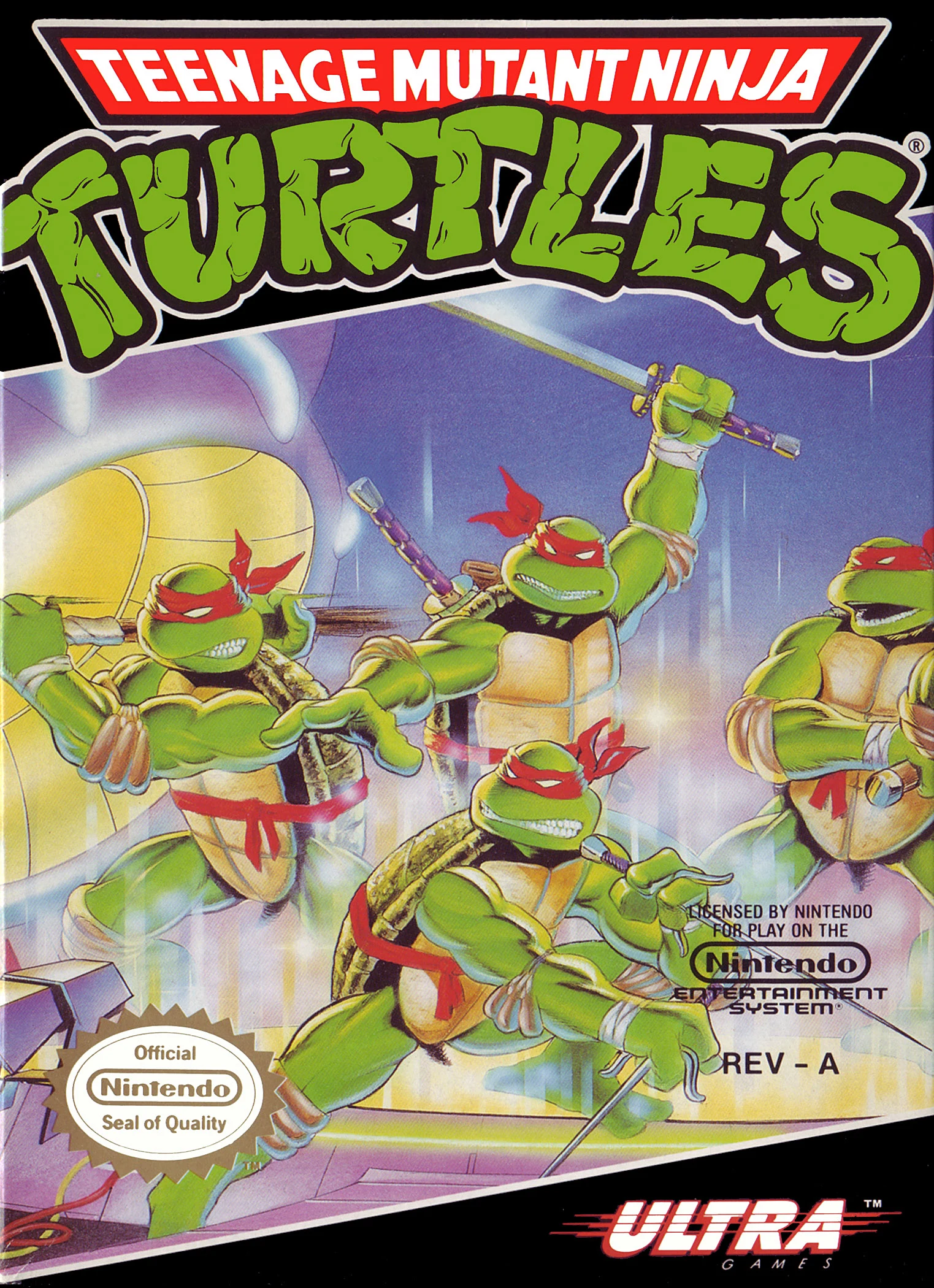
Teenage Mutant Ninja Turtles is Konami’s 1989 NES action-...
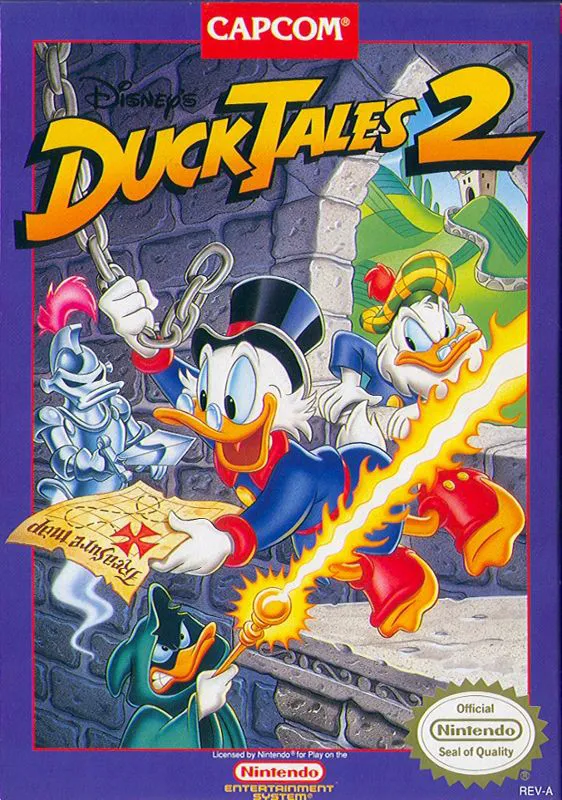
DuckTales 2 is Capcom’s 1993 sequel to the classic NES pl...
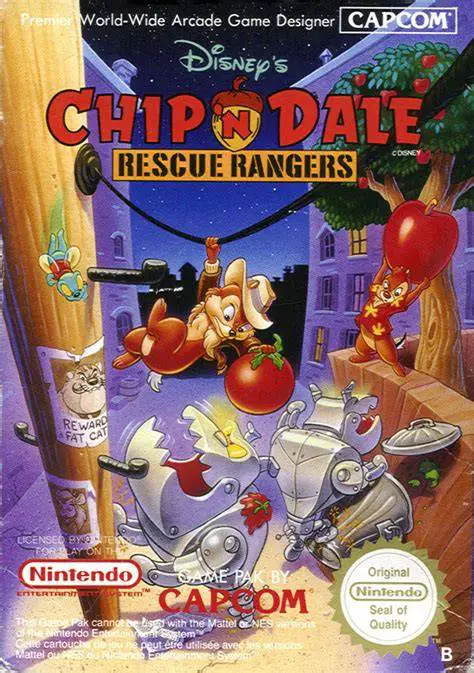
Chip 'n Dale Rescue Rangers is Capcom’s 1990 NES platform...