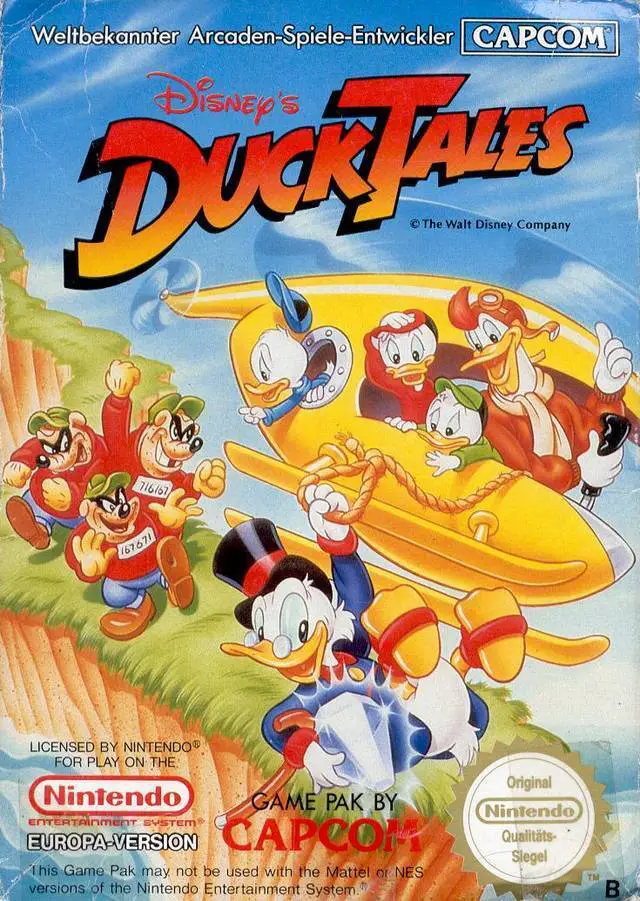
DuckTales
DuckTales is Capcom’s classic 1989 NES platformer based o...

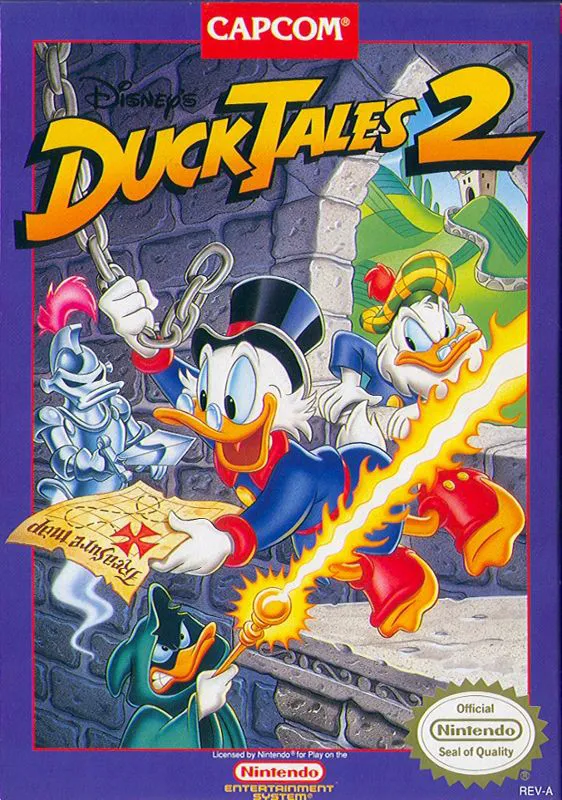
DuckTales 2 is a side-scrolling platform game developed and published by Capcom for the Nintendo Entertainment System. Released in Japan in April 1993 and in North America in June 1993, it continues the adventures of Scrooge McDuck from the 1989 original.
While exploring the basement of the Money Bin, Huey, Dewey, and Louie discover a fragment of a map belonging to Scrooge’s ancestor Fergus McDuck. The map is said to lead to a vast hidden treasure, with the remaining pieces scattered across the world. Scrooge must collect them before rival Flintheart Glomgold does. Players can tackle the five main stages—Niagara Falls, the Bermuda Triangle, the lost continent of Mu, Egypt, and Scotland—in any order.
Scrooge retains his classic cane attacks and improved pogo jump. New features include the ability to push and pull objects, hang from hooks, fire cannons, and use springy flowers. Gyro Gearloose provides cane upgrades that unlock additional secret areas. Stages can be revisited after completion to collect more money and items. With colorful graphics, familiar characters, and refined controls, DuckTales 2 offers a more interactive and slightly deeper experience than its predecessor, though it is shorter and less common due to its late release.
The sequel keeps the core pogo-jump gameplay but adds new cane abilities (pushing/pulling objects, hanging from hooks), revisitable stages, cane upgrades from Gyro, and more interactive level design. Stages can be replayed to gather extra money and items.
Yes. Like the first game, players can choose any of the five main stages (Niagara Falls, Bermuda Triangle, Mu, Egypt, Scotland) in whatever order they prefer and can return to completed stages.
Gyro Gearloose appears in certain stages and upgrades Scrooge’s cane, allowing him to pull heavier objects, break tougher blocks, or access previously unreachable areas.
Yes. Released late in the NES lifecycle (1993), DuckTales 2 had a smaller production run and is considered significantly rarer and more valuable among collectors than the 1989 original.
Yes. A Game Boy port of DuckTales 2 was also released in 1993, featuring similar gameplay adapted for the handheld.
Download directly from this site, or use a cloud drive link below
⚠️ Download Tips:
DuckTales is Capcom’s classic 1989 NES platformer based o...
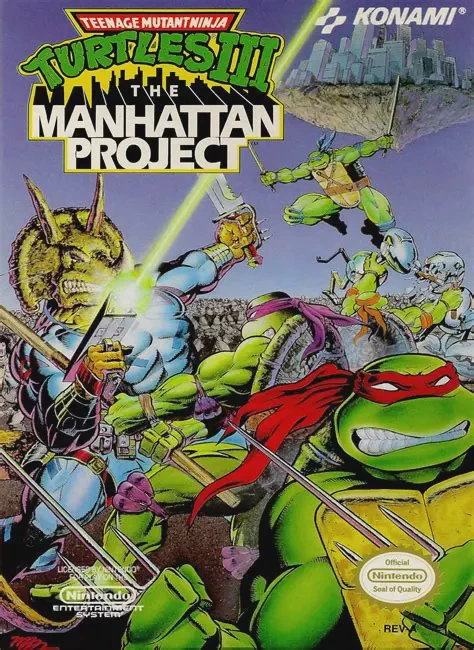
Teenage Mutant Ninja Turtles III: The Manhattan Project i...
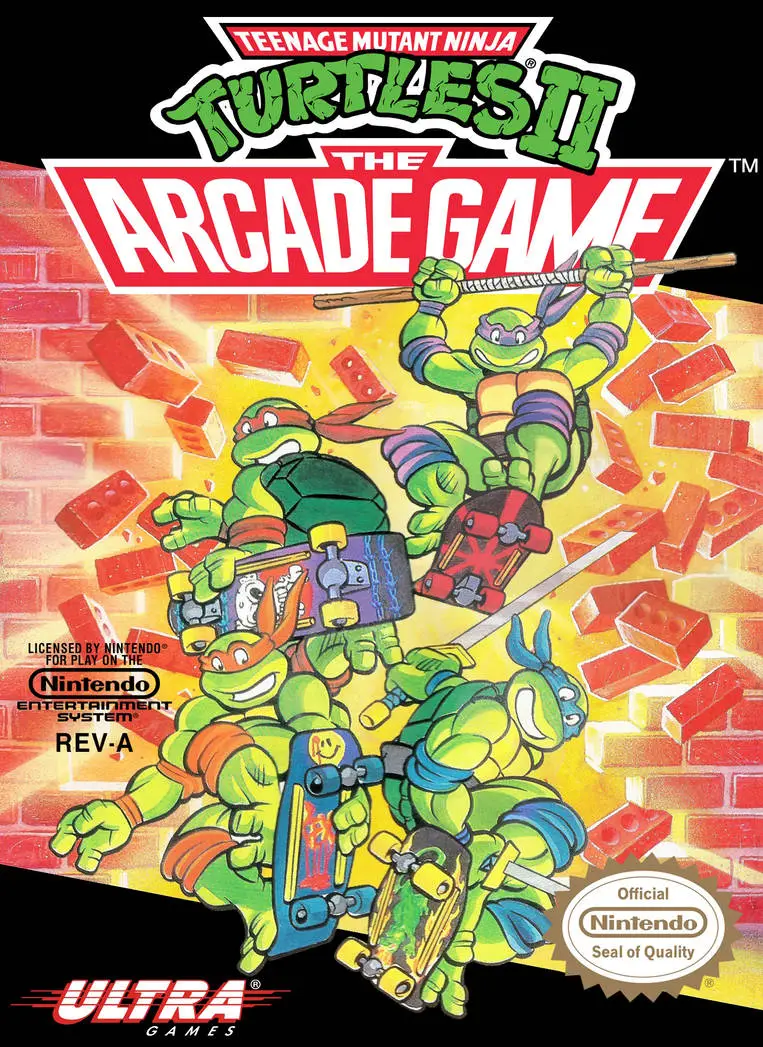
Teenage Mutant Ninja Turtles II: The Arcade Game is Konam...
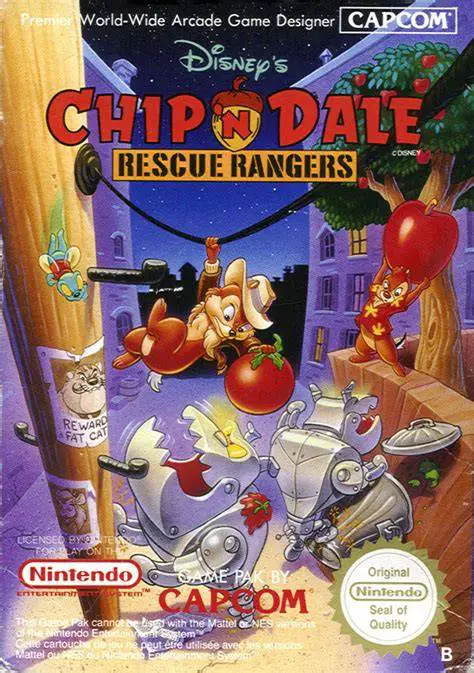
Chip 'n Dale Rescue Rangers is Capcom’s 1990 NES platform...
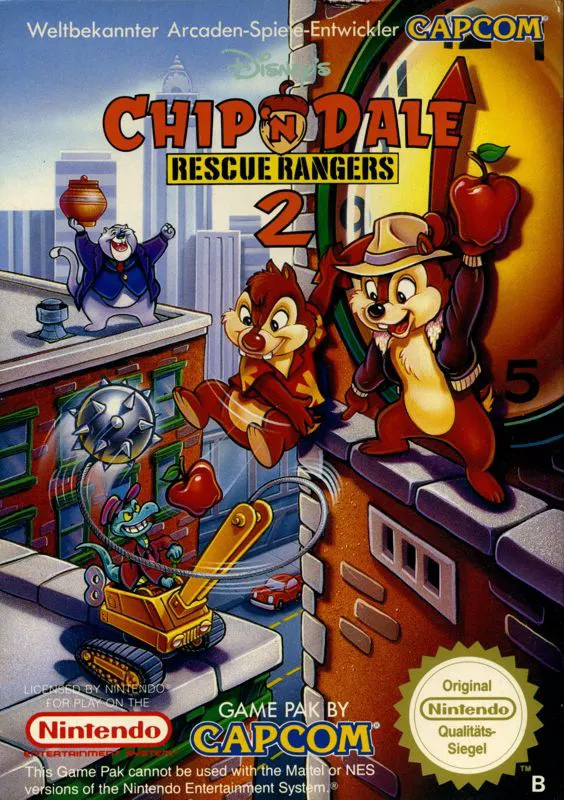
Chip 'n Dale Rescue Rangers 2 is Capcom’s 1993–1994 seque...