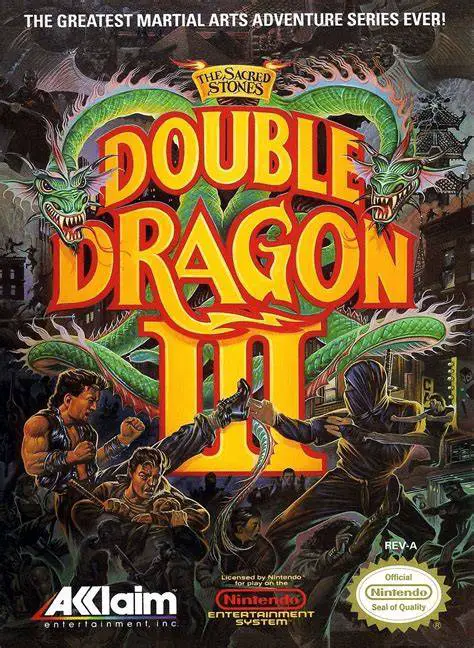
Double Dragon III: The Sa...
Billy and Jimmy Lee return one year after the events of D...

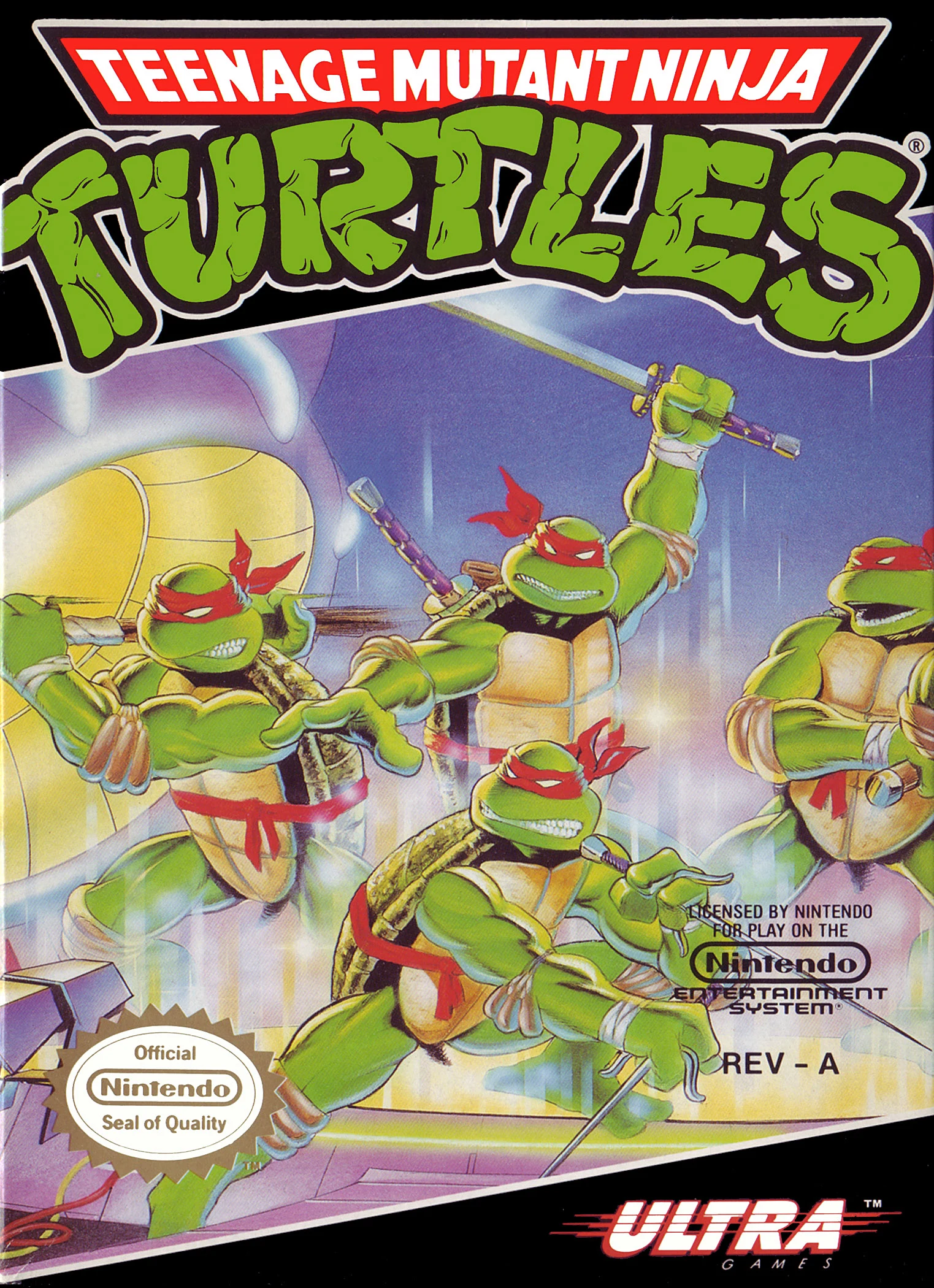
Teenage Mutant Ninja Turtles (known in Japan as Geki Kame Ninja Den and in Europe as Teenage Mutant Hero Turtles) is a 1989 single-player action-platform game developed by Konami and published under the Ultra Games label in North America. Released during the height of the 1987 animated series’ popularity, it sold over four million copies and remains one of the most recognizable licensed titles on the NES.
The story follows the four turtles as they race to save April O’Neil, who has been kidnapped by Bebop and Rocksteady, and later rescue Master Splinter. Their ultimate goal is to infiltrate Shredder’s Technodrome and stop him from using a Life Transformer Gun. Gameplay alternates between top-down overworld maps of New York locations (streets, sewers, rooftops) and side-scrolling action stages. Players can switch turtles at any time via the information screen; each has a unique primary weapon with different range and speed (Leonardo’s katanas, Raphael’s sais, Michelangelo’s nunchaku, and Donatello’s bo staff). Health is restored by collecting pizza, while special weapons such as shurikens, boomerangs, and energy scrolls provide additional options. When a turtle’s health reaches zero he is captured and cannot be used until rescued later in the game. The six missions include the infamous underwater dam sequence, making the game notoriously difficult yet highly memorable.
Yes. You start as Leonardo but can switch to any of the other three turtles at any time through the information screen (Start button). Each has a distinct weapon and play style.
The most notorious section is the underwater dam stage, where players must disarm bombs while avoiding electric seaweed and enemies under a strict time limit. The game also features limited continues and a capture system that removes turtles from play when their health is depleted.
There are six main missions: Streets of New York, Hudson River Dam, Wall Street Rooftops, JFK Airport, South Bronx, and the Technodrome.
No. This is a unique NES action-platformer. The arcade game is a different beat ’em up that was later ported to the NES as Teenage Mutant Ninja Turtles II: The Arcade Game.
Collect pizza slices (or larger pizza items) found throughout the stages. Different sizes restore different amounts of health.
Download directly from this site, or use a cloud drive link below
⚠️ Download Tips:
Billy and Jimmy Lee return one year after the events of D...
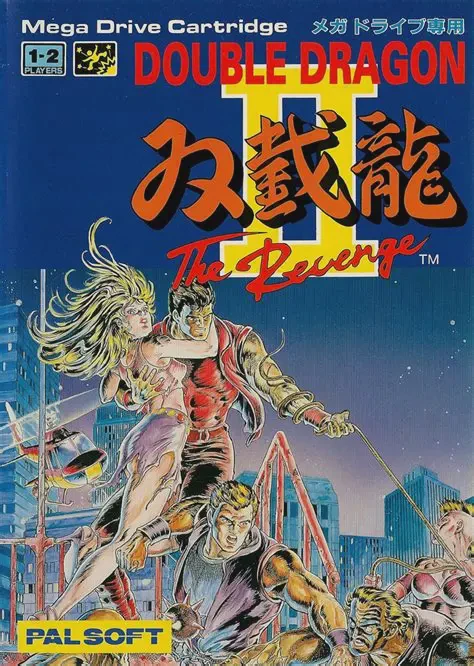
Billy and Jimmy Lee return in this classic NES beat ’em u...
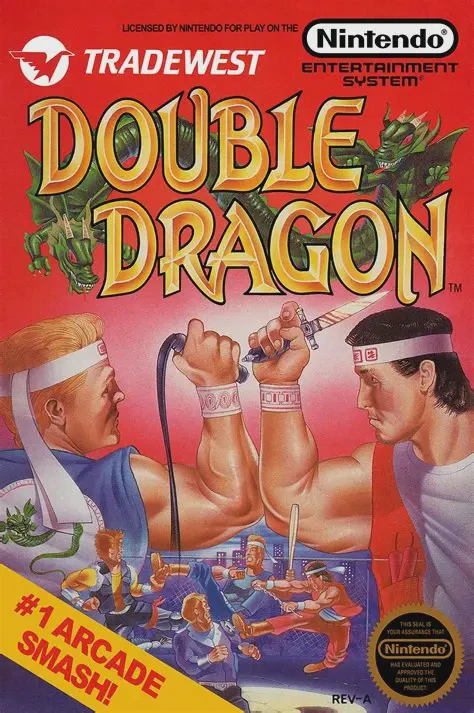
Double Dragon is a classic 1988 beat ’em up developed by ...
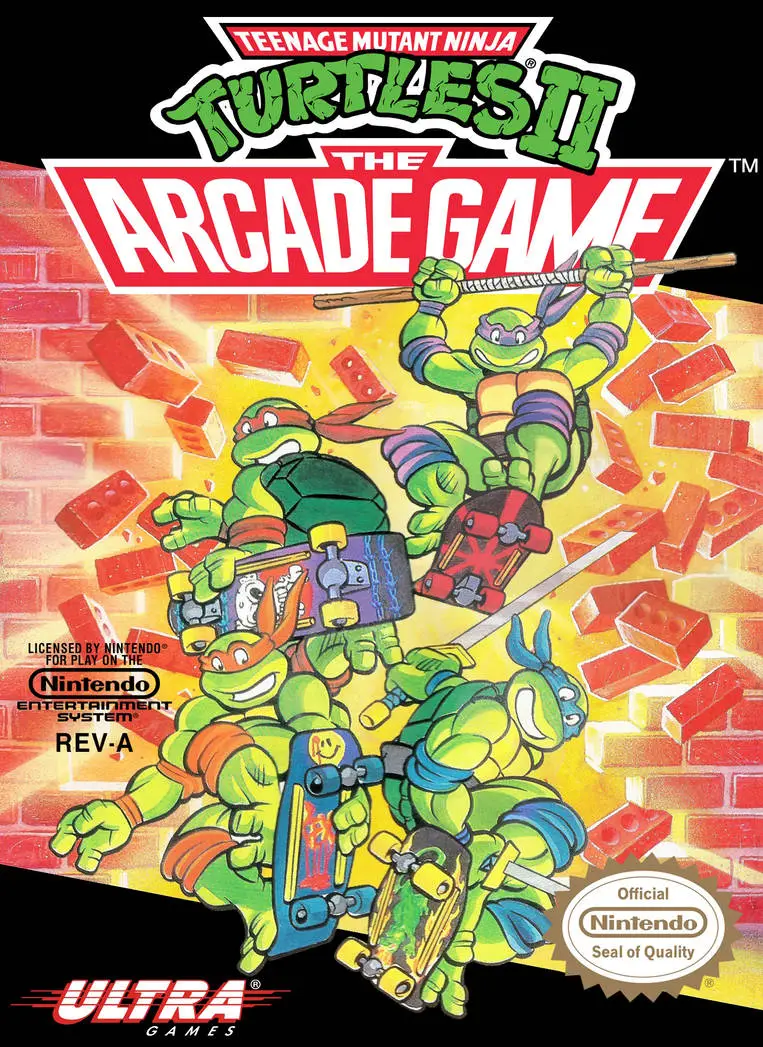
Teenage Mutant Ninja Turtles II: The Arcade Game is Konam...
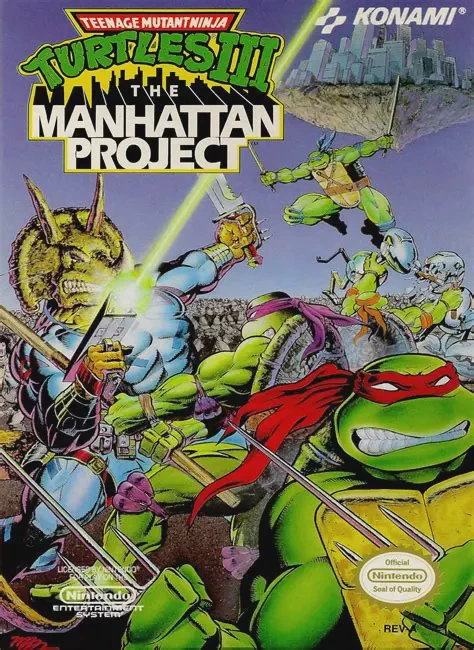
Teenage Mutant Ninja Turtles III: The Manhattan Project i...