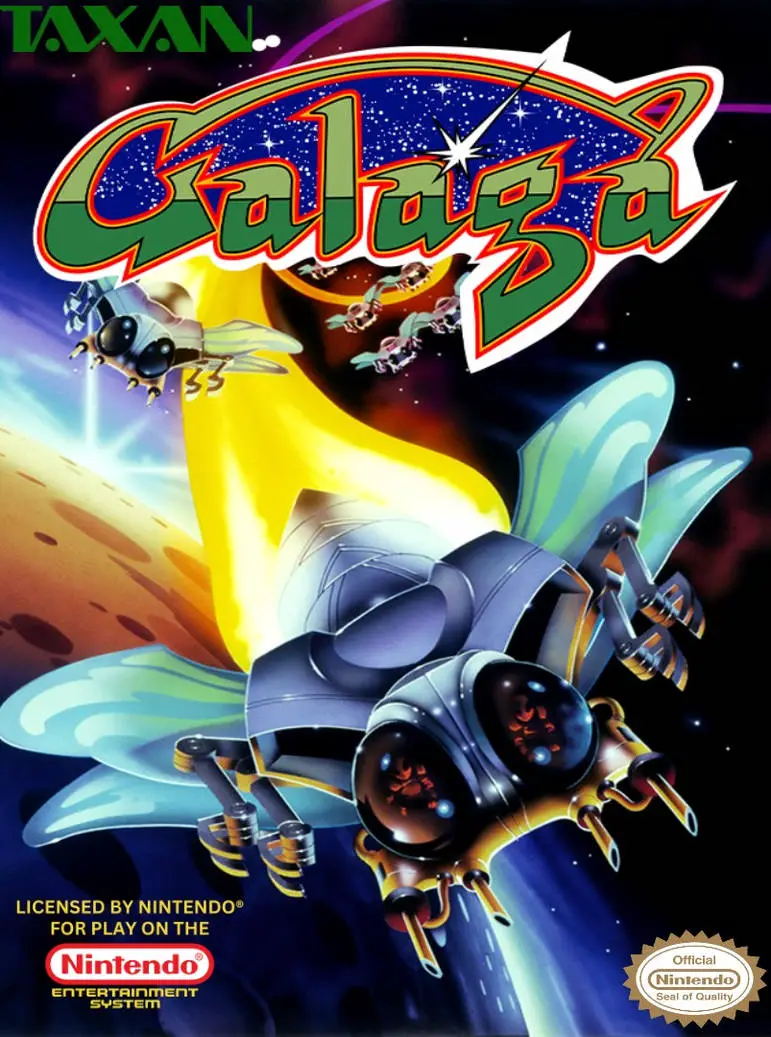
Galaga
Galaga is Namco’s legendary 1981 arcade fixed shooter, fa...

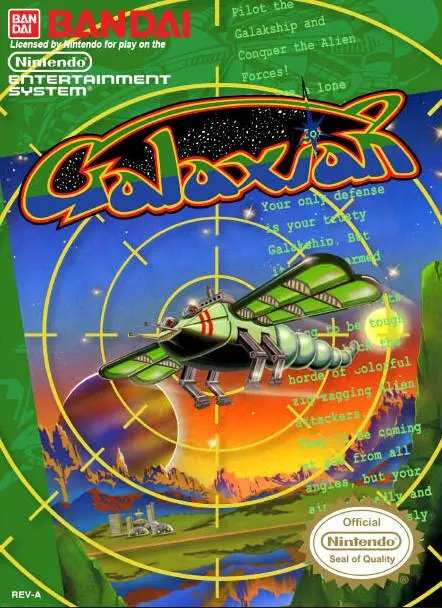
Galaxian is a fixed-screen vertical shooter developed and published by Namco. The original arcade version was released in Japan in September/October 1979 and in North America in early 1980 (published by Midway). The Famicom port arrived in Japan on September 7, 1984.
Players control the Galaxip starfighter, which can only move left and right along the bottom of the screen and fire one shot at a time. Above them, a formation of alien ships (blue, purple, red, and yellow Flagships) moves side to side. Individual aliens periodically peel off from the formation and dive toward the player in curved or zigzagging paths, firing missiles as they attack. Diving enemies are worth more points than those remaining in formation.
Flagships (the largest enemies at the top) often dive with one or two red escorts. Destroying the escorts before the Flagship itself awards a significant bonus (up to 800 points). The game continues indefinitely with increasing speed and aggression until the player loses all lives. While simpler than its sequel Galaga (no dual-fighter mechanic or Challenging Stages), Galaxian was groundbreaking for its time with its colorful graphics, animated enemies, and diving attack patterns that influenced many later shoot-’em-ups.
Galaxian is the 1979 predecessor. It lacks Galaga’s dual-fighter capture system and Challenging Stages. Players can only fire one shot at a time, and the focus is on timing dive-bomb attacks for higher scores.
This is a core design limitation of the original game. Accuracy and timing are essential because a missed shot must leave the screen before another can be fired.
Flagships often dive with one or two red escorts. Destroy the escorts first, then the Flagship, to earn the maximum bonus (up to 800 points instead of the lower base value).
No official North American or European NES cartridge was released. The Famicom version remained Japan-exclusive, though the game appeared on many other home platforms of the era.
Yes. While simpler than later shooters, its clean design, colorful graphics, and pure high-score challenge make it a classic example of early arcade shoot-’em-up gameplay.
Download directly from this site, or use a cloud drive link below
⚠️ Download Tips:
Galaga is Namco’s legendary 1981 arcade fixed shooter, fa...
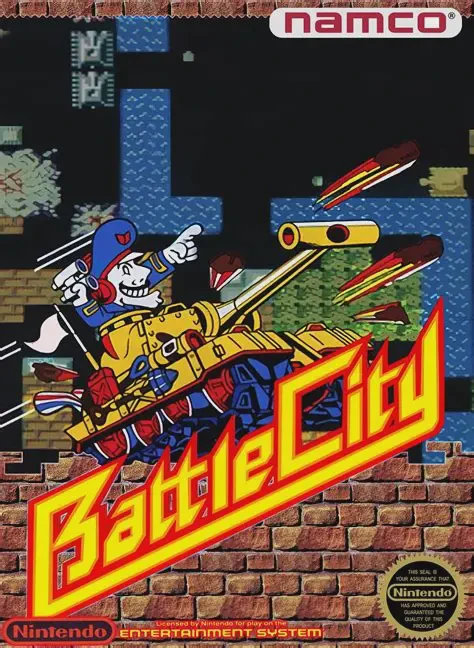
Battle City is Namco’s classic 1985 Famicom multidirectio...
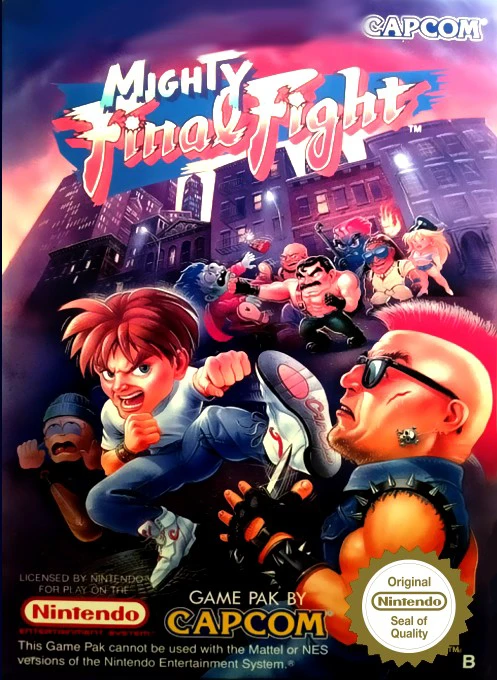
Mighty Final Fight is Capcom’s 1993 NES spin-off of the c...
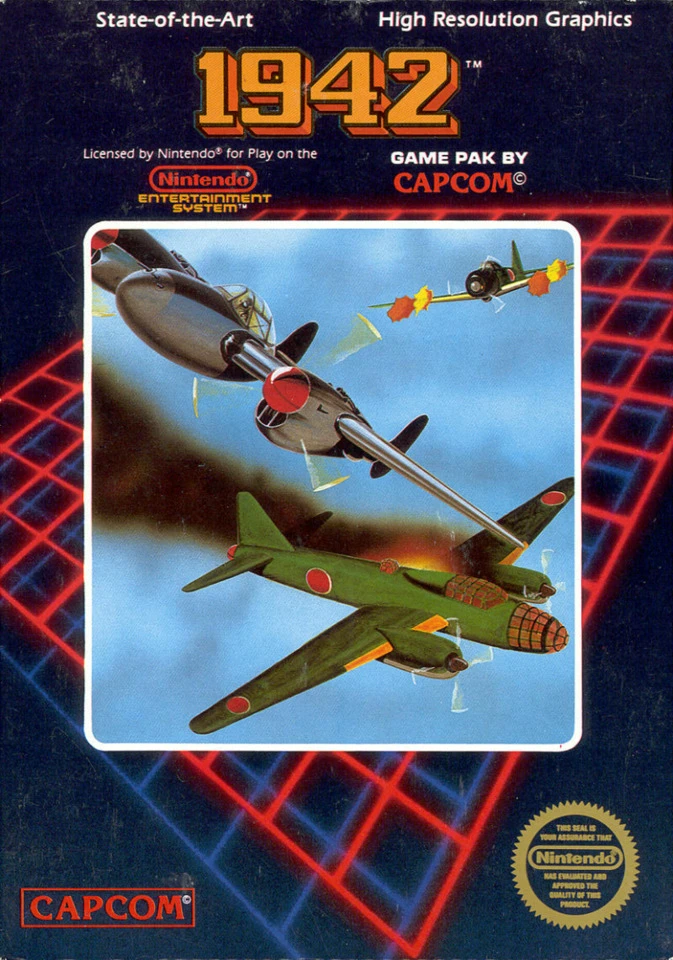
1942 is Capcom’s classic 1984 vertically scrolling shoote...
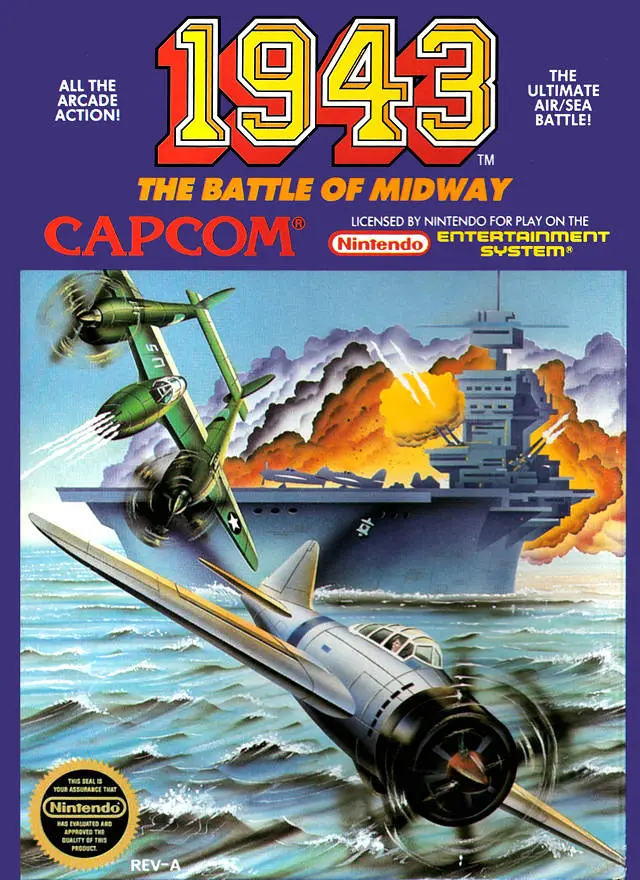
1943: The Battle of Midway is Capcom’s 1987 vertically sc...