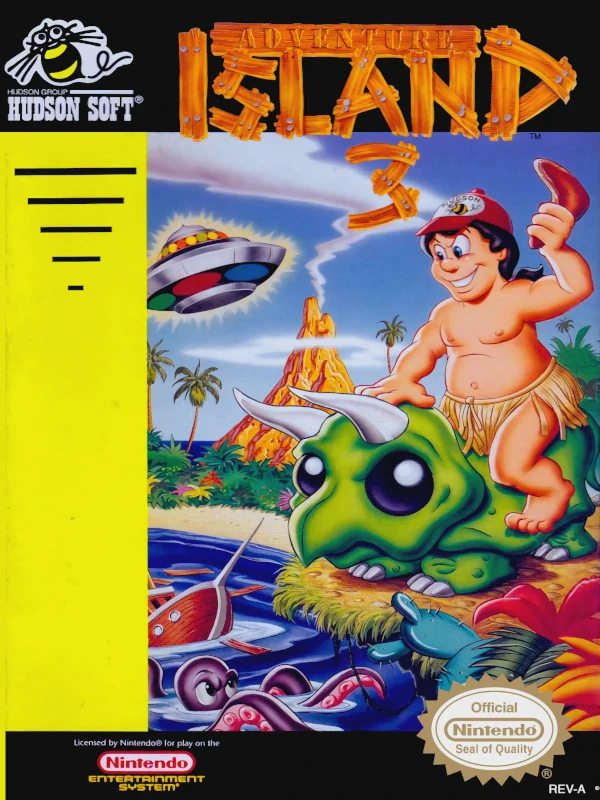
Adventure Island III
Adventure Island III (also known as Adventure Island 3) i...

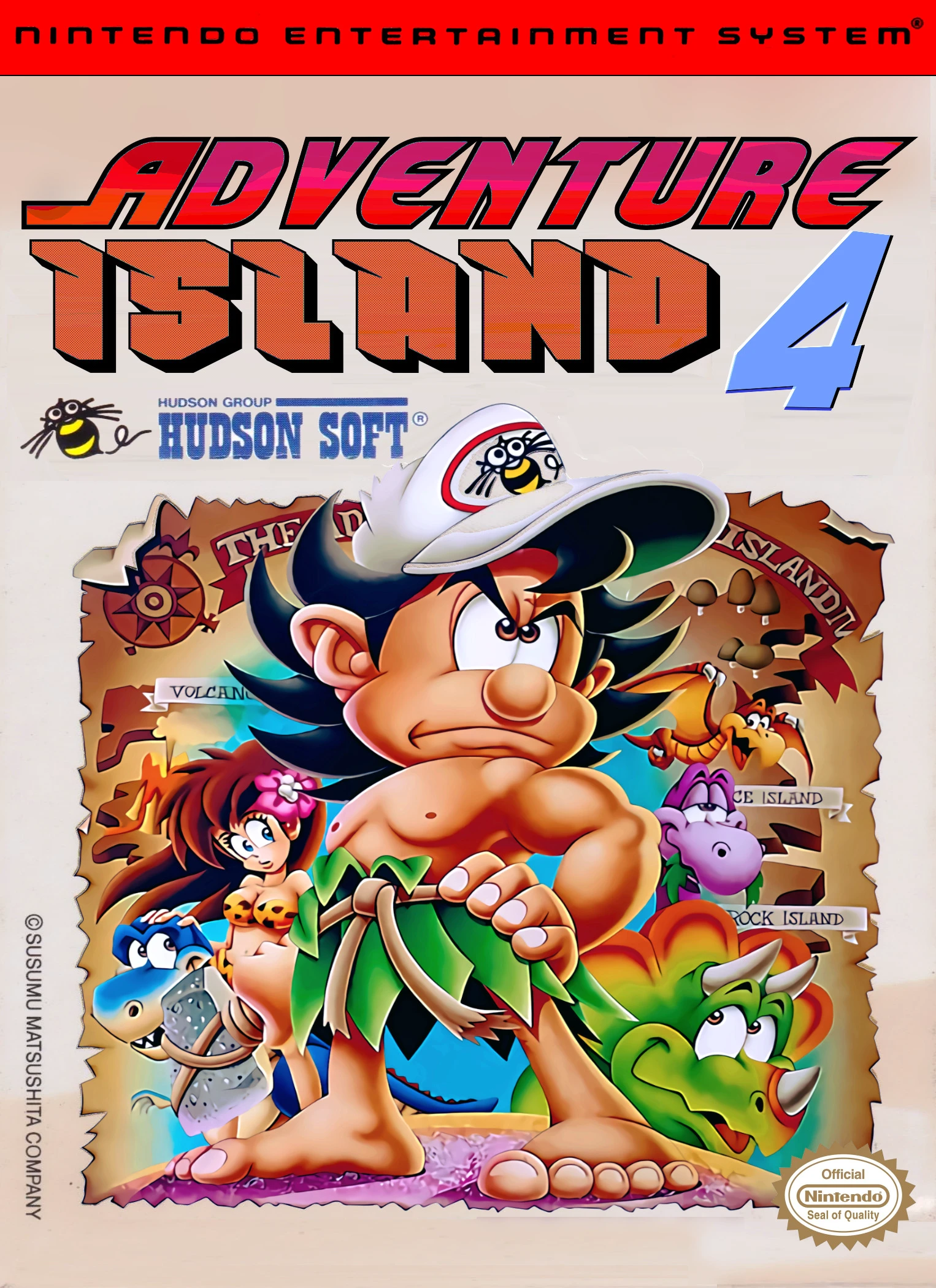
Adventure Island IV, known in Japan as Takahashi Meijin no Bōken Jima IV, was developed by Now Production and published by Hudson Soft exclusively for the Family Computer on June 24, 1994. It holds the distinction of being the last commercially released licensed game for the Famicom.
An unknown force (the Eggplant Wizard) has kidnapped Master Higgins’ five dinosaur friends and later his girlfriend Tina. Higgins sets out across a sprawling, interconnected island map rather than discrete linear stages. Progress depends on collecting key items and weapons—such as a hammer to break rocks, a water gun to extinguish fires or revive plants, a parasol for gliding, spears, boomerangs, and more—to open new paths and solve environmental puzzles.
Unlike previous games, there is no constantly draining vitality meter; instead, Higgins has a standard life bar that can be restored by collecting fruit. Dinosaurs can still be rescued and ridden for special abilities once freed. A warp-egg system allows teleportation between set points, and mini-games (races, shooting galleries, etc.) award useful items. A password system supports continued play. The result is a more exploratory, adventure-oriented experience that still retains the series’ colorful platforming spirit while marking a significant evolution—and the end—of the 8-bit line.
No. It was a Japan-exclusive Famicom release and was never officially localized for the NES or other regions.
It shifts from linear stage-based platforming to a more open Metroidvania-style structure. Progress requires finding specific items to access new areas, and the classic hunger meter is replaced by a standard life bar.
Master Higgins must rescue his five kidnapped dinosaur friends (and later Tina) by exploring the island, collecting items, defeating bosses, and solving puzzles to open new paths.
Yes. It features a password system. Passwords can be obtained at Higgins’ hut, allowing players to continue from their current progress.
It was the final officially licensed commercial game released for the Famicom in Japan (June 24, 1994), arriving long after the Super Famicom had become the primary platform.
Download directly from this site, or use a cloud drive link below
⚠️ Download Tips:
Adventure Island III (also known as Adventure Island 3) i...
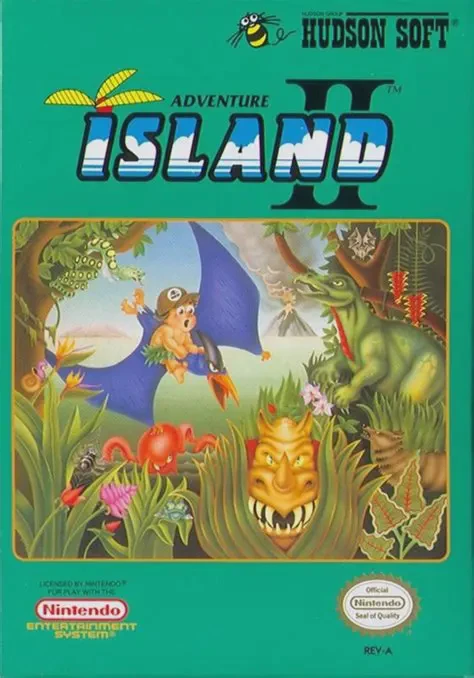
Adventure Island II is Hudson Soft’s 1991 NES sequel to t...
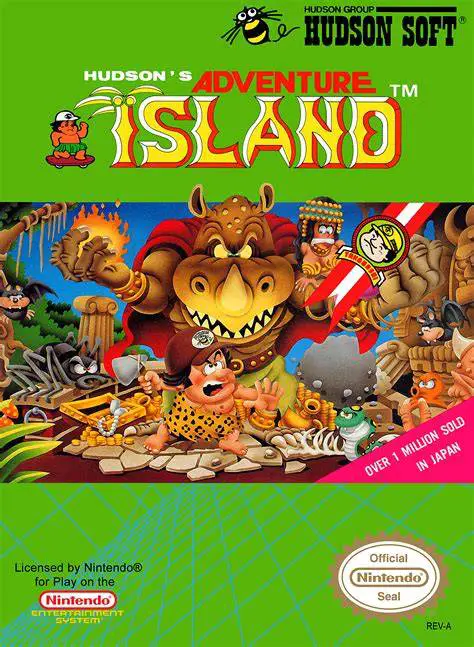
Adventure Island (known in Japan as Takahashi Meijin no B...
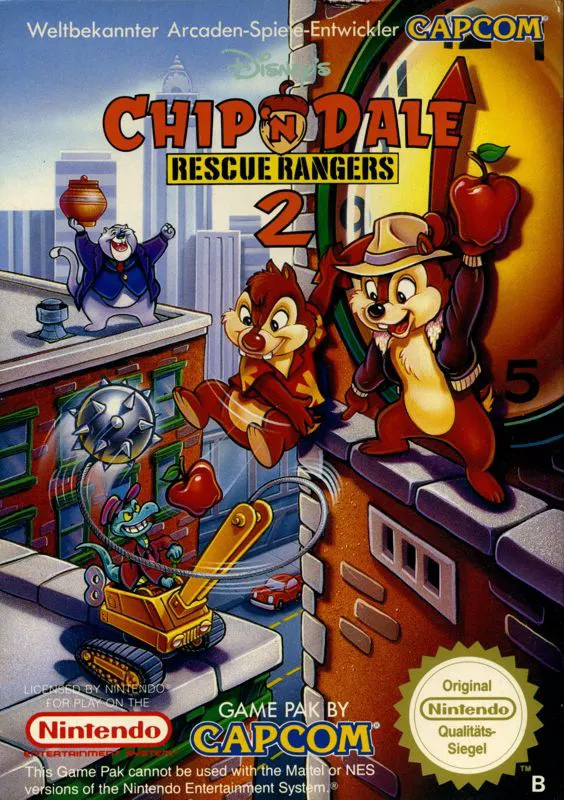
Chip 'n Dale Rescue Rangers 2 is Capcom’s 1993–1994 seque...
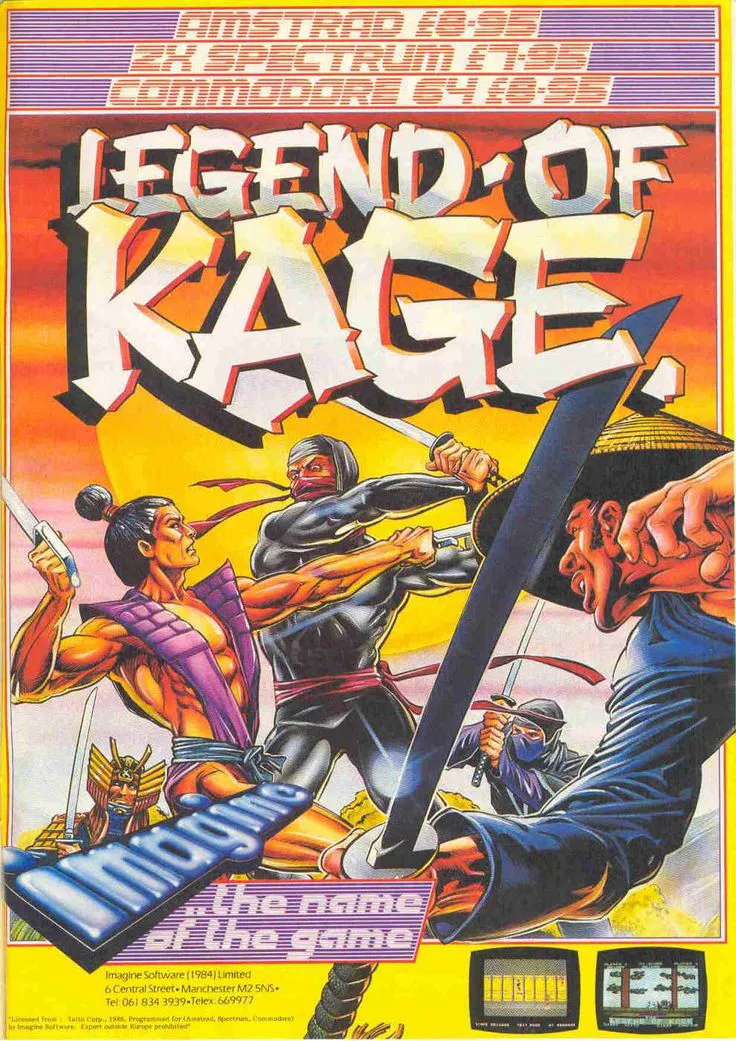
The Legend of Kage is Taito’s 1985 arcade ninja action-pl...